What Is a Fiber Optic Cable and What Are Its Advantages?
A fiber optic cable is a high-speed data transmission medium that uses light pulses to transfer information at incredible speeds. This blog explains what fiber cables are, their types, how fiber optic installation works, and why they deliver faster transmission than traditional copper wires. If you want high-speed internet that keeps up with your streaming, gaming, and remote work needs, understanding fiber technology is essential.
Table of Contents
- What Is a Fiber Optic Cable?
- How Does a Fiber Optic Cable Work?
- Different Fiber Optic Cable Types You Should Know
- Top Advantages of Using a Fiber Optic Cable
- Fiber Optic Cable vs. Copper: The Ultimate Showdown
- What to Expect During Fiber Optic Installation
- FAQ Section
What Is a Fiber Optic Cable?
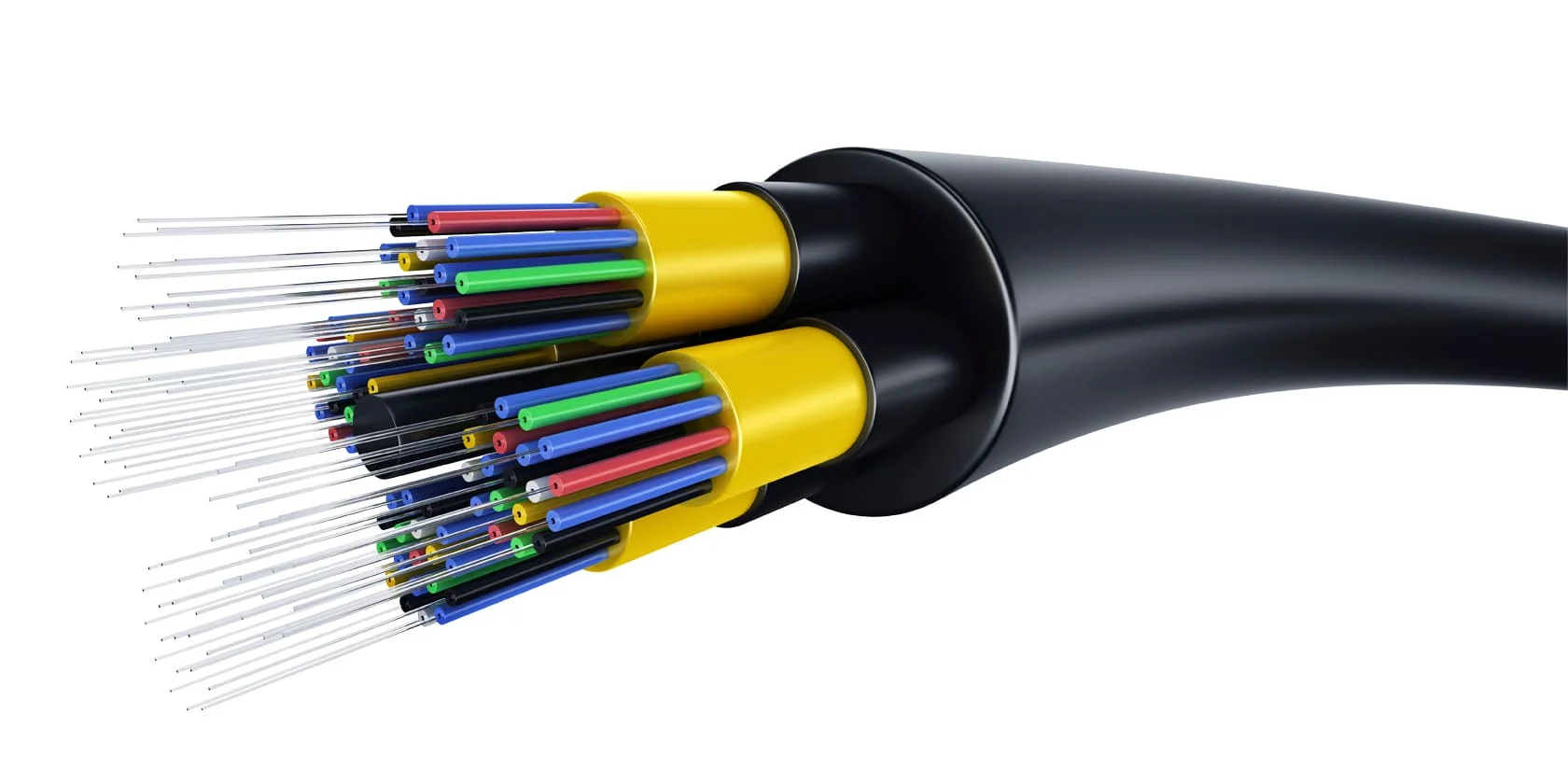
A fiber optic cable is a network cable containing strands of glass fibers inside an insulated casing. These cables are designed for long-distance, high-performance data networking and telecommunications.
Unlike traditional copper cables that transmit electrical signals, fiber cables use light pulses to carry data. This fundamental difference makes them the backbone of modern high-speed internet infrastructure.
Think of it as upgrading from a horse-drawn carriage to a bullet train for your data. Your Netflix binges will thank you.
How Does a Fiber Optic Cable Work?
The magic happens through a process called total internal reflection. Light signals bounce through the glass core at incredible speeds, traveling vast distances without significant signal loss.
Each strand is thinner than a human hair yet capable of carrying massive amounts of data. The light travels through the core while the cladding keeps it contained.
This technology enables faster data speeds that make buffering a thing of the past. Your video calls stay crystal clear, and your downloads complete in seconds.
Different Fiber Optic Cable Types You Should Know
Understanding fiber cable types helps you choose the right solution for your needs.
Single-Mode Fiber
Single-mode fiber has a small core diameter that allows only one mode of light to propagate. This type is ideal for long-distance communication and delivers the highest bandwidth.
Telecommunications companies prefer single-mode for their backbone networks. It’s the marathon runner of the fiber world.
Multi-Mode Fiber
Multi-mode fiber has a larger core that allows multiple light modes to travel simultaneously. It’s perfect for shorter distances like data centers and local area networks.
This type costs less than single-mode but works best for distances under two kilometers. Think of it as your reliable neighborhood sprinter.
Both fiber cable types serve different purposes in delivering high-speed internet to homes and businesses.
Top Advantages of Using a Fiber Optic Cable
Switching to fiber brings numerous benefits that transform your internet experience.
Lightning-Fast Speeds
Fiber delivers faster data than any other medium available today. Speeds can reach up to 10 Gbps for residential connections and even higher for commercial use.
Downloading a full HD movie takes seconds, not hours. Your patience will finally get a well-deserved vacation.
Superior Bandwidth
High-speed internet through fiber supports multiple devices without slowdowns. Everyone in your household can stream, game, and work simultaneously.
No more fighting over bandwidth during family movie night. Peace treaties have been signed over less important matters.
Exceptional Reliability
Fiber cables resist electromagnetic interference that plagues copper connections. Weather conditions and electrical equipment don’t affect signal quality.
Your connection stays stable whether it’s sunny or storming outside. Mother Nature has finally met her match.
Enhanced Security
Light signals are extremely difficult to tap without detection. This makes fiber inherently more secure than copper alternatives.
Your data travels through a fortress of glass strands. Hackers face a much tougher challenge intercepting light-based signals.
Future-Proof Technology
A fiber cable infrastructure can handle bandwidth demands for decades. As technology advances, fiber keeps pace without requiring complete overhauls.
Fiber Optic Cable vs. Copper: The Ultimate Showdown
Below is a comparison table showing how a fiber cable stacks up against traditional copper connections.
| Feature | Fiber Optic Cable | Copper Cable | Winner |
|---|---|---|---|
| Internet Speed | Up to 10 Gbps+ | Up to 1 Gbps | Fiber |
| Data Cap | Often unlimited | Varies by provider | Fiber |
| Monthly Cost | $50-$150 | $30-$100 | Copper (slightly) |
| Availability | Growing rapidly | Widespread | Copper (currently) |
| Reliability | Excellent | Good | Fiber |
| Notes | Best for heavy users | Budget-friendly option | Depends on needs |
Ready to upgrade your connection? Check fiber availability in your area and lock in your plan today!
What to Expect During Fiber Optic Installation
Professional fiber optic installation typically takes two to four hours for residential properties. Technicians run fiber cables from the nearest distribution point to your home.
The process involves mounting an optical network terminal inside your residence. This device converts light signals into electrical signals your devices understand.
Most providers handle fiber optic installation at minimal or no cost for new subscribers. It’s a small time investment for years of blazing speeds ahead.
Preparation helps ensure smooth installation. Clear access to your home’s entry points and electrical panels speeds up the process considerably.
Installation Tips for Success
Schedule your fiber optic installation during a time when you’ll be home for the full duration. Ask about equipment placement options beforehand.
Verify that your router supports the speeds your new connection delivers. Outdated equipment bottlenecks your shiny new faster data transmission capabilities.
Final Thoughts on Fiber Technology
Understanding what a fiber cable is and its advantages positions you to make informed decisions about your internet service. From delivering high-speed internet to supporting multiple devices, fiber technology represents the gold standard in connectivity.
Whether you’re a casual browser or a bandwidth-hungry power user, fiber offers benefits that traditional connections cannot match. The investment in this technology pays dividends through reliability, speed, and future-proof infrastructure.
For more information on choosing the right internet plan, visit our comprehensive internet plans guide. You can also explore detailed technical specifications at The Fiber Optic Association or learn about industry standards at ITU Telecommunications.
FAQ Section
Q1: What makes a fiber optic cable faster than copper?
A fiber optic cable transmits data using light pulses instead of electrical signals. Light travels much faster and can carry significantly more data over longer distances without degradation. This fundamental difference enables speeds that copper simply cannot match.
Q2: How much does fiber optic installation cost?
Many internet providers offer free or discounted fiber optic installation for new customers. Standard installation ranges from $0 to $150 depending on your location and provider. Complex installations requiring additional construction may incur extra fees.
Q3: Can I get high-speed internet in rural areas?
High-speed internet availability in rural areas continues expanding as providers invest in infrastructure. Check with local telecommunications companies about fiber availability in your specific location. Fixed wireless and satellite options also provide alternatives where fiber hasn’t arrived yet.
Q4: What are the different fiber optic cable types for home use?
Residential connections typically use single-mode fiber for the main line and multi-mode within the home. Both fiber cable types deliver excellent performance for streaming, gaming, and remote work. Your provider handles the technical details during installation.
Q5: How reliable is faster data transmission through fiber?
Faster data transmission through fiber offers exceptional reliability because light signals resist interference. Weather, electrical equipment, and distance have minimal impact on fiber connections. Most users experience over 99% uptime with properly maintained fiber networks.
Ready to experience the speed difference? Check fiber optic cable availability in your area and choose the perfect plan for your home today!