Cable and Fiber Optic Internet: Which One Is Better?
Choosing between cable and fiber internet can feel like deciding between a trusty old router and a shiny new modem both get the job done, but one might just blow your bandwidth expectations out of the water. This guide breaks down everything you need to know about cable and fiber optic technologies, helping you pick the connection that keeps your streams smooth and your downloads lightning-fast.
Table of Contents
- Introduction to Cable and Fiber Optic Internet
- Understanding Cable and Fiber Optic Technologies
- Speed Comparison: Cable and Fiber Optic Head-to-Head
- Reliability Factors for Cable and Fiber Optic Connections
- Cost Analysis: Cable and Fiber Optic Plans
- Choosing Cable and Fiber Optic: Which Suits Your Needs?
- Cable and Fiber Optic Comparison Table
- FAQ: Cable and Fiber Optic Internet Questions
- Conclusion: Making Your Cable and Fiber Optic Decision
Introduction to Cable and Fiber Optic Internet
When your internet connection starts buffering during the climax of your favorite show, you know it’s time to reassess your options. Understanding cable and fiber optic internet is the first step toward eliminating those frustrating loading screens forever. Both technologies deliver high-speed connectivity, but they work in fundamentally different ways that affect your online experience.
The telecommunications landscape has evolved dramatically over the past decade. What was once a simple choice has become a sophisticated decision involving multiple factors including speed, reliability, and future-proofing your home network.
Understanding Cable and Fiber Optic Technologies
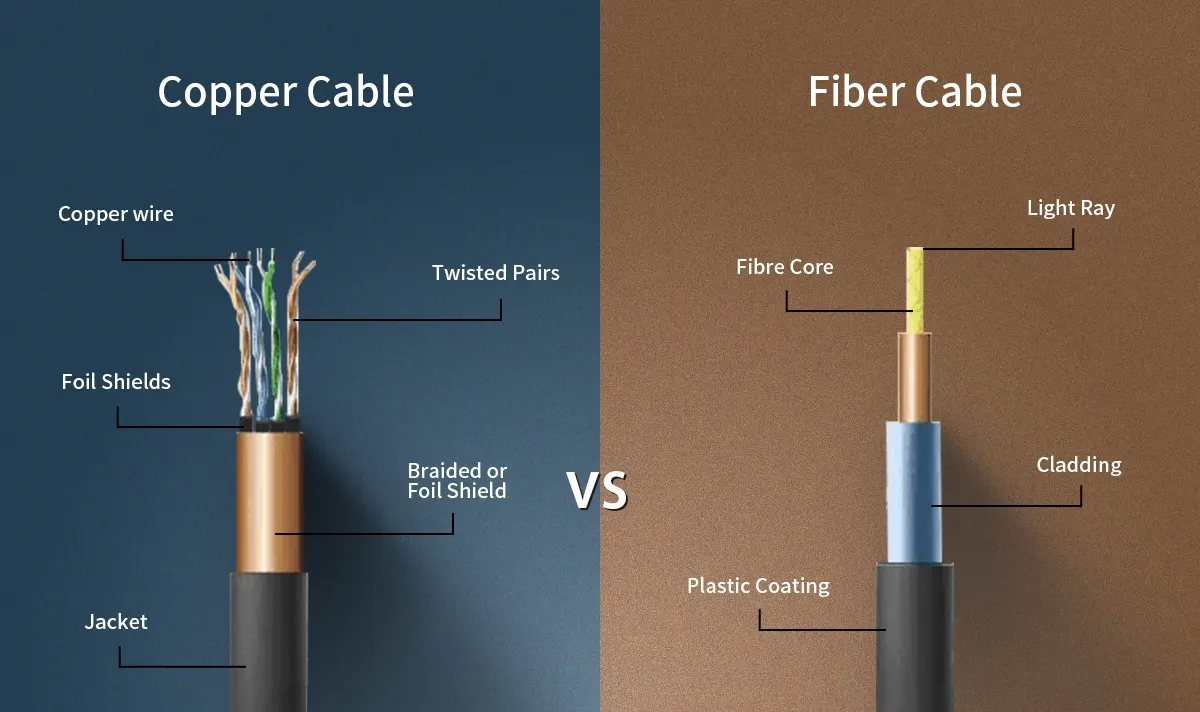
Cable internet travels through coaxial cables the same infrastructure that delivers your television signal. These copper-based lines have been the backbone of residential internet for decades, offering solid performance for everyday browsing and streaming.
Finding a reliable cable internet provider in your area typically isn’t difficult since this technology reaches most American homes.
Fiber optic technology, on the other hand, transmits data using light pulses through thin glass strands. This method allows for significantly faster data transmission over longer distances without signal degradation. Home fiber internet represents the cutting edge of residential connectivity.
The physical differences between these technologies directly impact performance. While coaxial cables are susceptible to electromagnetic interference, fiber optic lines remain immune to such disruptions.
How Cable Internet Delivers Your Data
Cable connections utilize a hybrid fiber-coaxial (HFC) network where fiber optic lines carry data to neighborhood nodes, then coaxial cables complete the journey to your home. This shared bandwidth model means speeds can fluctuate during peak usage times when your neighbors are all streaming simultaneously.
Most cable internet provider options offer download speeds ranging from 100 Mbps to 1 Gbps, which handles most household needs comfortably.
How Fiber Optic Transmits Information
Fiber connections deliver data directly to your premises through dedicated fiber optic lines. This direct connection provides consistent speeds regardless of neighborhood activity. When people ask is fiber faster than cable, the answer lies in this dedicated pathway.
The technology behind home fiber internet continues advancing, with some providers now offering multi-gigabit speeds that dwarf traditional cable offerings.
Speed Comparison: Cable and Fiber Optic Head-to-Head
Speed matters whether you’re downloading large files, video conferencing, or battling opponents in online games. So is fiber faster than cable in real-world scenarios? Generally, yes. Fiber optic connections consistently outperform cable in both download and upload speeds.
Cable typically offers asymmetrical speeds with downloads significantly faster than uploads. You might see 500 Mbps down but only 20 Mbps up. Fiber provides symmetrical speeds, meaning your uploads match your downloads, a crucial advantage for content creators and remote workers.
The fiber internet benefits become especially apparent during video calls. Symmetrical speeds ensure your face doesn’t freeze mid-sentence while your colleague’s video streams perfectly.
Latency Differences That Impact Your Experience
Latency, the time data takes to travel between points, affects everything from gaming responsiveness to video call quality. Fiber typically delivers latency around 10-15 milliseconds, while cable averages 15-35 milliseconds.
For competitive gamers, these milliseconds matter. The fiber internet benefits extend to anyone who values responsive, real-time interactions online.
Reliability Factors for Cable and Fiber Optic Connections
Your internet connection is only as good as its weakest moment. Cable and fiber optic technologies differ significantly in their vulnerability to various disruptions that can leave you offline when you need connectivity most.
Weather impacts these technologies differently. Electrical storms can disrupt cable signals through electromagnetic interference, while fiber optic lines remain unaffected. However, physical damage from severe weather affects both equally.
Is fiber optic internet better for consistent performance? The data suggests yes. Fiber users report fewer outages and more stable connections overall.
Maintenance and Longevity Considerations
Coaxial cables degrade over time, requiring periodic replacement. Fiber optic infrastructure, while more expensive to install, offers superior longevity with minimal maintenance requirements.
Cable internet provider networks face ongoing maintenance challenges due to aging infrastructure in many areas. Newer fiber networks typically experience fewer service interruptions.
Cost Analysis: Cable and Fiber Optic Plans
Budget considerations play a major role in connectivity decisions. Cable and fiber optic services come with different price structures that reflect their underlying technologies and market positioning.
Cable plans often start lower, with entry-level packages around $30-50 monthly. Fiber plans typically begin slightly higher but deliver more bandwidth per dollar at higher tiers.
Is fiber optic internet better value long-term? When factoring in consistent speeds and reliability, many users find fiber’s slight premium worthwhile.
Hidden Costs to Consider
Equipment rental fees, installation charges, and data overage penalties can significantly impact your total costs. Some providers bundle equipment while others charge monthly rental fees.
Investigating all costs associated with your potential cable internet provider or fiber service helps avoid surprise charges on your first bill.
Choosing Cable and Fiber Optic: Which Suits Your Needs?
Your ideal connection depends on your specific usage patterns, household size, and future needs. Consider how many devices connect simultaneously and what activities demand the most bandwidth.
Households with multiple streamers, gamers, and remote workers benefit most from fiber internet benefits like symmetrical speeds and lower latency. Smaller households with basic browsing needs may find cable perfectly adequate.
Availability remains a significant factor. While cable reaches most American homes, home fiber internet coverage continues expanding but hasn’t achieved universal availability yet.
Future-Proofing Your Connection
Technology demands increase yearly. What satisfies today’s needs may lag behind tomorrow’s requirements. Fiber’s superior scalability makes it the better long-term investment for tech-forward households.
Smart home devices, 4K streaming, and emerging technologies like virtual reality all demand increasing bandwidth that fiber handles effortlessly.
Cable and Fiber Optic Comparison Table
Understanding the differences between cable and fiber optic connections becomes easier when you compare specifications side by side. This comparison helps you evaluate which technology aligns with your connectivity requirements.
| Feature | Cable Internet | Fiber Optic Internet | Winner |
|---|---|---|---|
| Download Speed | 100-1,000 Mbps | 250-5,000 Mbps | Fiber |
| Upload Speed | 10-50 Mbps | 250-5,000 Mbps | Fiber |
| Latency | 15-35ms | 10-15ms | Fiber |
| Monthly Cost | $30-100 | $40-120 | Cable |
| Availability | 90%+ coverage | 45% coverage | Cable |
| Reliability | Good | Excellent | Fiber |
Ready to upgrade your connection? Check internet provider availability in your area and find the perfect plan today!
Conclusion: Making Your Cable and Fiber Optic Decision
Choosing between cable and fiber optic internet ultimately depends on your priorities, budget, and availability. Both technologies deliver capable connections, but fiber offers superior performance for demanding users willing to invest in premium connectivity.
Evaluate your household’s bandwidth needs honestly. If availability and budget constraints point toward cable, rest assured it handles most modern internet demands capably. If fiber is accessible and affordable, its advantages make it the forward-thinking choice for your connected home.
FAQ: Cable and Fiber Optic Internet Questions
Q1: Is fiber faster than cable for streaming video content?
Yes, fiber typically delivers faster and more consistent speeds than cable for streaming. While both technologies handle standard streaming adequately, fiber excels with 4K content and households running multiple simultaneous streams without buffering interruptions.
Q2: How do I know if cable and fiber optic services are available at my address?
Visit provider websites and enter your address to check availability. You can also use the FCC’s broadband map to see all options in your area. Most major providers offer online availability checkers that instantly display serviceable plans.
Q3: What are the main fiber internet benefits over cable connections?
Fiber offers symmetrical upload and download speeds, lower latency, and greater reliability. These advantages particularly benefit remote workers, gamers, and households with heavy bandwidth demands. Fiber also provides better future-proofing as technology requirements increase.
Q4: Can I switch from cable to home fiber internet easily?
Switching is generally straightforward if fiber is available at your location. Schedule installation with your new provider, then cancel your cable service once fiber is active. Most providers coordinate transitions to minimize downtime during the switch.
Q5: Why is fiber optic internet better for working from home?
Fiber’s symmetrical speeds ensure video conferences run smoothly with clear audio and video. Large file uploads complete quickly, and multiple household members can work simultaneously without degrading connection quality. This reliability reduces productivity-killing interruptions throughout your workday.
Explore your connectivity options today! Compare internet providers in your area and choose the plan that powers your digital life!